BIM Use: Structural Analysis
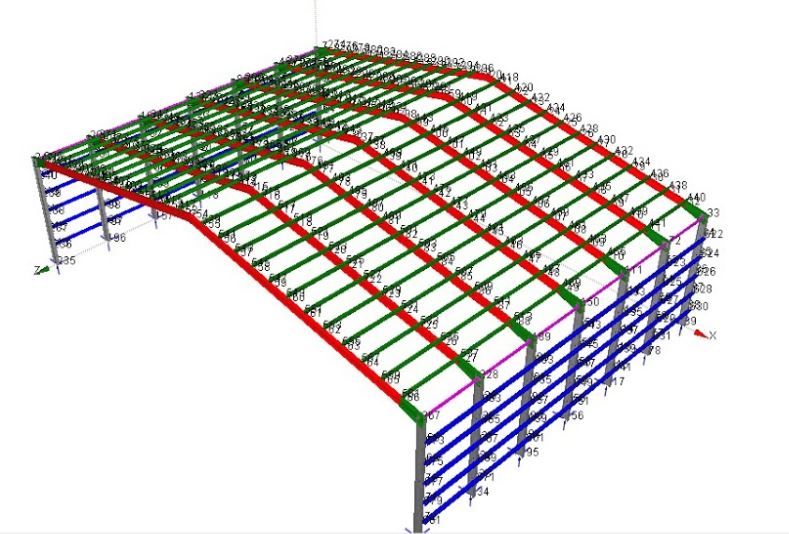 Structural Analysis
A process in which analytical modeling software utilizes the BIM design authoring model to determine the behavior of a given structural system.
With the modeling minimum required standards, structural design and analysis are used for optimization. Based on this analysis, further development and refinement of the structural design take place to create effective, efficient, and constructible structural systems. This information forms the basis for digital fabrication and construction system design phases.
Note: This BIM Use is not limited to early design. It is often implemented at the connection design level to expedite fabrication and is critical for construction system design (e.g., erection design, rigging, and temporary supports).
| Potential Value: |
|---|
- Save time and cost on creating extra models by utilizing the central BIM.
- Easier transition for firms implementing BIM by leveraging existing authoring tools.
- Improve specialized expertise and services offered by the design firm.
- Achieve optimum efficient design solutions by applying rigorous analyses.
- Faster return on investment (ROI) by applying audit tools for engineering analyses.
- Improve the quality and reduce the cycle time of design analyses.
- Performance simulations can significantly improve safety and facility performance over its lifecycle.
| Resources Required: |
|---|
- Design Authoring Tools (e.g., Revit, Tekla Structures)
- Structural Engineering analysis software (e.g., Robot, ETABS, SAP2000)
- Design standards and codes (e.g., Eurocode, ACI)
- Hardware capable of complex calculations
| Team Competencies: |
|---|
- Ability to create and review a 3D Structural Model.
- Knowledge of analytical modeling techniques (nodes, boundary conditions).
- Knowledge of constructability and structural sequencing.
- Integration expertise pertaining to building systems as a whole.